Logo de Rh Privé: Rh Privé Estates - Inspirational Homes

RH Privé Estates

difference between flat and apartment
What is the difference between flat and apartment? Everything you need to know

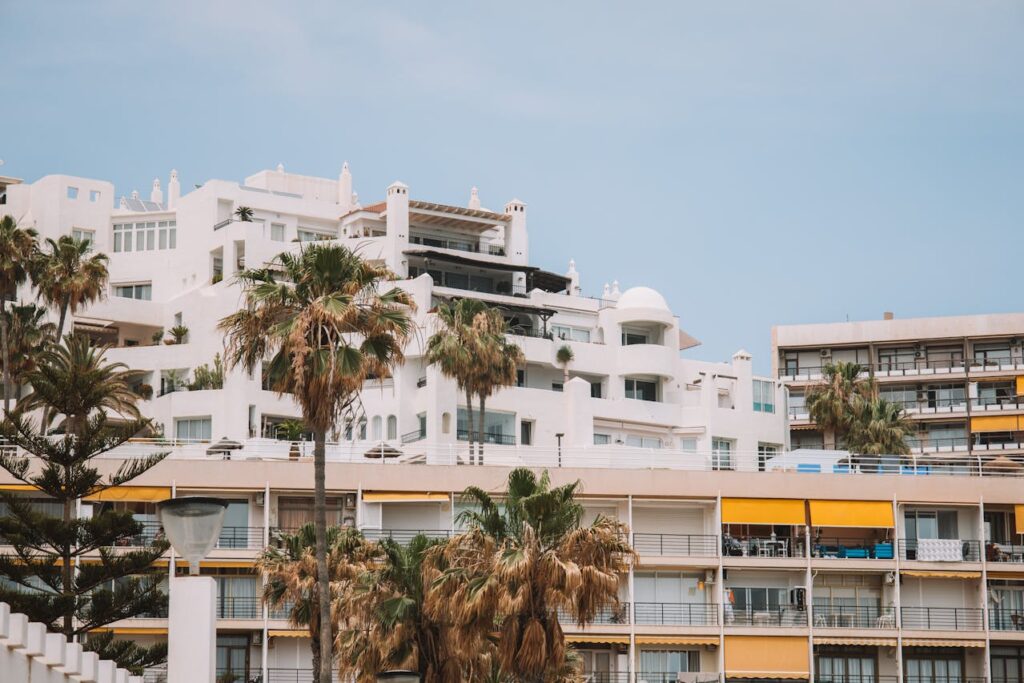
When you start looking for a property, one of the most common questions is the difference between flat and apartment. Although it may seem like a simple matter of wording, in the real estate sector this distinction can influence how you interpret a listing, the expectations you create and even your final purchase decision. The truth is that they are often used as synonyms, and this is not incorrect. However, when we analyse the market more closely, we see that they do not always mean exactly the same thing. The difference may relate to size, use, location or even the commercial positioning of the property. If you are thinking about buying, investing or simply understanding the market better, this post will give you a clear and professional view of the difference between flat and apartment. At RH Privé Estates, with more than 30 years of experience in the sector, we support international clients like you in finding homes that match their lifestyle, always with transparency, trust and fully personalised advice. What is a flat and how it is understood in Spain When we talk about a flat, we generally refer to a home located within a shared residential building. It is the most common term in Spain and the one you will probably use naturally when thinking about a primary residence. A flat can vary in size, quality and style. It may be a spacious family home, a renovated property in a city centre or even a luxury residence with sea views. For this reason, it is a broad and neutral concept. In addition, the term flat is usually linked to the idea of a main residence. In other words, a place where you live on a regular basis, carry out your daily life and look for comfort and functionality. What is an apartment and what makes it different When analysing the difference between flat and apartment, the term apartment also describes a property within a building, but it usually carries a slightly different nuance. In many cases, it is associated with smaller, more practical homes, with compact layouts or designed for more flexible use. It is common to associate the word apartment with a second home, a holiday property or an investment. It is also widely used in modern developments and international markets. However, there is something important to keep in mind: an apartment does not have to be small or basic. On the Costa del Sol, for example, there are luxury apartments with large terraces, sea views, exclusive amenities and contemporary designs focused on wellbeing. Therefore, more than size, what changes is the perception and positioning of the property. The difference between flat and apartment in practice So, what is the real difference between flat and apartment? There is no strict rule, but there are several key points that can help you understand it better. On one hand, the term flat is more general and traditional. It describes a property without adding commercial nuance. On the other hand, apartment is often used to convey a specific lifestyle, more linked to leisure, investment or modern design. Context also matters. In traditional urban areas, it is more common to speak about flats. In coastal areas or international markets such as the Costa del Sol, the term apartment is used much more frequently. In short, a flat defines the type of property, while an apartment often reflects how that property is marketed. How this difference affects you when buying Understanding the difference between flat and apartment is essential when searching for a property. The name can give you clues about its positioning, but it does not define its real value. If you are looking for a home to live in all year round, you may feel more connected to the concept of a flat. If you are searching for a second home, a property to enjoy during certain periods or an investment, apartments may be more appealing. However, when considering the difference between flat and apartment, the key point is not to rely only on the label. Always analyse factors such as location, quality, layout, orientation and community features. These elements are what truly determine whether a property is right for you. At RH Privé Estates, this is exactly how we work: We listen to your needs and help you find the property that genuinely fits you. Our team provides multilingual advice, access to exclusive properties and full support throughout the entire process. If you are considering buying on the Costa del Sol, we invite you to contact us and discover homes that go beyond the conventional. Flat or apartment on the Costa del Sol On the Costa del Sol, the term apartment is widely used, especially in new developments and properties aimed at international buyers. Here, the concept of apartment is closely linked to a lifestyle: Sea views, large terraces, communal areas, design and sustainability all play a key role. It reflects a way of living that goes beyond the interior space. This approach reflects the philosophy of RH Privé, where luxury is combined with sustainability, innovation and attention to detail, creating homes designed to offer a complete living experience. For this reason, when you search for property in this area, you will see that the term apartment does not imply something basic, quite the opposite. What you should really consider Beyond whether it is called a flat or an apartment, there are decisive factors to consider. Project quality, location, how well it fits your lifestyle and sustainability are key elements. Today, a property is not just a place to live, but an investment in wellbeing and quality of life. That is why expert advice makes a real difference. FAQs about the difference between flat and apartment Are flat and apartment the same? Not exactly, although they are often used as synonyms. The difference between flat and apartment lies more in usage and commercial perception. Is an apartment smaller? Not necessarily. There are large luxury apartments and smaller flats. Which

Golden Visa and the market situation
Golden Visa: current market situation

For years, the Golden Visa became one of the most frequently mentioned concepts when discussing international real estate investment in Spain. Its logic was simple: certain non-EU citizens could obtain residency in Spain through a significant investment, and purchasing a property worth €500,000 or more was one of the best-known options. What has happened since the end of the Golden Visa However, that framework has changed. Spanish Organic Law 1/2025 removed the content of articles 63 to 67 of Law 14/2013, and the elimination of this route came into force on 3 April 2025. At the same time, the Spanish Ministry of Inclusion clarifies that applications submitted before that date could still be processed under the previous regulations and that existing permits remain valid and can be renewed under the former framework. That said, the key question for the market is not only legal but also real estate related: has anything really changed in foreign property buying trends? Based on the available data, our reading is cautious but clear. We do not see a disappearance of international demand, far from it. What we do observe is a market reshaping, with less dependence on purely migration driven incentives and greater importance placed on factors such as quality of life, legal certainty, connectivity, climate, services and long-term asset value. In other words, foreign buyers are still present, but their motivation is increasingly linked to lifestyle and broader real estate investment rather than obtaining a specific permit. Legal changes after the Golden Visa in Spain The real estate Golden Visa has not been available for new applications since 3 April 2025, as the final provision of Spanish Organic Law 1/2025 removed the articles regulating investor visas and residence permits from Law 14/2013. This means that buying property in Spain no longer provides this specific residency pathway for new investors. However, it is also important not to create misunderstandings. The end of the Golden Visa does not automatically cancel acquired rights. The Ministry of Inclusion states that those who submitted their applications before the reform came into force can still be processed under the previous rules, and permits already granted remain valid for their duration, with the possibility of renewal under the regulations in force at the time of initial approval. This has softened the immediate impact of the measure and helps explain why we do not see a sharp and uniform drop in all statistics. For this reason, when analysing whether the market has changed, we must distinguish between the legal change, which has been clear, and the commercial change, which is proving much more gradual. The international residential market is not driven by visas alone. It depends on disposable income, interest rates, global mobility, comparative taxation, available supply and the attractiveness of the destination. Spain, especially its established coastal markets, continues to hold a very competitive position globally. Data shows that foreigners are still buying property Looking at the end of 2024, it is difficult to argue that foreign demand had disappeared. According to the Spanish Land Registrars, 14.6% of property purchases in 2024 were made by foreigners, close to the all-time high of 15% in 2023. In absolute terms, these purchases increased to around 93,000 transactions compared to approximately 87,400 the previous year. The same report highlights that 10.8% of purchases by foreigners exceeded €500,000, the highest level in the historical series. This is a key point. It shows that even before the Golden Visa was removed, the foreign market remained strong. Moving into 2025, the overall picture does not change dramatically. The 2025 annual report from the Registrars indicates that 13.82% of property purchases in Spain were made by foreigners, below the 2023 peak but still at high levels. In absolute terms, the volume rose to around 97,500 transactions compared to about 93,000 in 2024. In other words, the relative share decreases slightly, but the number of transactions continues to grow. The General Council of Notaries provides further insight. In the first half of 2025, property transactions by foreigners increased by 2% year on year to 71,155 transactions, representing 19.3% of the total. This growth was driven by foreign residents, whose purchases rose by 6.4%, while non-residents fell by 4.1%. In the second half of 2025, notaries did observe a 4.4% year on year decline to 66,629 transactions, representing 18.4% of the total. The most accurate conclusion is therefore not that foreigners have stopped buying. The data does not support that claim. Instead, foreign demand remains active but is evolving. It is losing some relative weight and moderating in certain segments, particularly among non-resident buyers, while gaining strength among international buyers who already live, work or spend extended periods in Spain. Has the cancellation of the Golden Visa cooled the market? Our answer would be no, not structurally, at least for now. It may have affected a specific segment of non-EU buyers who used property purchases as a direct route to residency. However, reducing the entire foreign market to that profile would be a mistake. The international buyer base in Spain is much broader and more diverse, including EU residents, European retirees, relocated professionals, digital nomads, investment-focused buyers, second home seekers and high net worth individuals who prioritise quality of life over administrative incentives. Looking at the regions with the highest international demand, Andalusia remains one of the leading areas. In the first quarter of 2025, Registrars placed Andalusia at 14.2% of purchases by foreigners. At a provincial level, Málaga continues to rank among the top regions in Spain for international buyers, with figures of 34.76% in the third quarter of 2024, 34.75% in the first quarter of 2025 and 32.8% for the full year 2025. These are very high levels compared to the national average. This aligns perfectly with the reality of the Costa del Sol. Here, purchase decisions rarely depend on a single factor. Lifestyle, international connectivity, premium services, security, climate and long-term value preservation all play a role. In established locations, the end of the Golden

Digital nomad visa
Digital nomad visa: this is your place

More and more professionals like you are choosing to embrace an international lifestyle, combining remote work with a higher quality of life. If you are looking for information about the digital nomad visa, we are here to guide you. At RH Privé Estates, we understand that it’s not just about obtaining a remote work visa. It’s about choosing the right place to live. Your environment directly impacts your productivity, wellbeing and overall experience. What is the digital nomad visa in Spain and why it matters The digital nomad visa in Spain is designed for foreign professionals who work remotely. In other words, if your job can be done from anywhere in the world, this visa allows you to live and work legally in Spain. If you are employed, you must work for companies outside Spain. If you are self-employed, you can work with Spanish companies, provided this does not exceed 20% of your total activity. Why is the it relevant for you? Because it allows you to: Beyond the legal aspect, the digital nomad visa reflects a real shift: you no longer need to live where you work. Now, you can choose where you want to live. Requirements for a remote work visa in Spain If you are considering applying for a visa to live and work remotely in Spain, preparation is key. The process is not complex, but it does require attention to detail. The main requirements include: You must submit an application form, a valid passport, a recent photograph, and a criminal record certificate. You will also need to prove residence within the relevant consular jurisdiction and have valid health insurance in Spain. Regarding your professional activity, you must demonstrate: You must also prove your qualifications (degree or postgraduate studies) or at least three years of professional experience. Another key aspect is proving your financial capacity. You must show that you can support yourself (and your family, if applicable) while living in Spain under a remote work visa. Our advice is clear: prepare your documentation thoroughly and consistently. This will make all the difference. How to apply for a digital nomad visa without hassle Applying for a remote work visa in Spain is straightforward, but it requires precision. Many applications are delayed due to incomplete or poorly prepared documentation. You will need to submit both originals and copies and in many cases, documents must be legalized or apostilled. The consulate may also request additional information or even a personal interview. Processing times are usually around 10 days from submission, although they can be extended if further documentation is required. Before applying for your visa, make sure you: Why Costa del Sol is the best destination for digital nomads Once you have your visa, the most important decision is where to live. This is where Costa del Sol truly stands out. This destination offers everything you need: exceptional climate, international connections, high-end services, gastronomy, safety, a global community and a balanced lifestyle. More importantly, it helps you work better and enjoy a better quality of life. At RH Privé Estates, we have over 30 years of experience helping international clients find their ideal home in Costa del Sol. We understand exactly what remote professionals need: space, views, privacy, design, and location. Best areas in Costa del Sol for remote living If you are planning to apply for a digital nomad visa and relocate to southern Spain, choosing the right area is just as important as the visa itself. Not all locations offer the same balance between quality of life, privacy, services and surroundings. The Costa del Sol is home to a wide variety of areas, but some locations are particularly well suited to the lifestyle of remote professionals looking for high-end living. Reserva del Higuerón and Benalmádena Reserva del Higuerón, strategically located between Benalmádena and Fuengirola, has become one of the most sought-after areas for international buyers. It offers a unique combination of open Mediterranean views, privacy, contemporary architecture and premium services. All of this just minutes from Málaga International Airport, offering excellent connectivity for frequent travellers. For professionals with a remote work visa, this environment makes a real difference. It allows you to seamlessly integrate work and lifestyle, with bright interiors, spacious terraces and a well-established international community. El Chaparral and La Cala de Mijas If you prefer a more relaxed setting without compromising on quality, El Chaparral and La Cala de Mijas are excellent options. This area blends sea, golf, and nature, with a strong offering of services, dining and leisure. It is particularly appealing if you value a slower pace of life, while still having quick access to Marbella, Fuengirola or Málaga. In addition, RH Privé has made a strong commitment to this area, raising the standards of design, sustainability and construction quality in the region. For many international professionals arriving with a digital nomad visa, this type of location offers something truly valuable: the ability to disconnect without feeling isolated. You can work from home while being surrounded by nature, with the sea just minutes away. Mijas Pueblo and natural surroundings For those seeking something more authentic, Mijas Pueblo offers a completely different experience. Here, the landscape takes center stage. Open views, a sense of tranquillity, and seamless integration with the natural surroundings create a feeling of calm that is hard to find in more urbanised areas. Developments such asMijas SeaViews perfectly reflect this approach, offering homes designed with sustainability in mind, where every architectural detail is carefully considered and privacy is prioritised without compromising proximity to the coast. If you work remotely, this type of setting can be especially inspiring. Not only because of the peace and the views, but because it allows you to create a more balanced way of living, where your surroundings play a key role. Choosing the right home as a digital nomad When you work remotely, your home is more than just a place to live: it becomes your office, your space for focus and your retreat. That’s why choosing the right property is a strategic decision. At RH Privé Estates, we

Best house orientation, Costa del Sol
What is the best house orientation?

When a buyer visits a property, they usually focus first on location, views, layout, or build quality. However, one factor has a direct impact on daily comfort, natural light, energy efficiency and even the overall sense of wellbeing at home: orientation. That’s why one of the most important questions when searching for a property is this: what is the best house orientation? There isn’t a universal answer, as it depends on climate, lifestyle, how each room will be used and the type of property. Still, when we talk about homes in Costa del Sol, we can make very clear recommendations. In a region with many hours of sunshine, mild winters and intense summers, choosing the right orientation can make a huge difference between a home that feels pleasant year-round and one that requires more climate control than desired. Why house orientation matters The way a home is oriented determines how sunlight enters and moves through the property during the day. This directly affects indoor temperature, natural light quality, energy consumption and how outdoor areas like terraces and gardens are actually used. In a poorly oriented home, it’s common to find overheated rooms in summer, dark areas in winter, or outdoor spaces that don’t live up to expectations. In contrast, a well-oriented property feels much more balanced. Light follows the rhythm of the day, rooms adapt better to everyday needs and artificial heating or cooling becomes less necessary. In premium residential markets such as Costa del Sol, orientation also plays a key role in purchase decisions. The best house orientation is often associated with sunny terraces, bright living areas and bedrooms with comfortable temperatures without excess heat. For this reason, orientation should never be considered a minor detail when evaluating a quality property. What is the best house orientation in general terms? Generally speaking, the most balanced best house orientation in Spain tends to be south or southeast. Why? Because it allows for abundant natural light throughout most of the day and makes better use of the sun in winter, when it is especially pleasant. South-facing homes are highly valued because they provide consistent brightness, improve energy efficiency and create warm, welcoming interiors during cooler months. In properties with large windows, terraces or open-plan spaces, this orientation enhances the sense of space and comfort. Southeast orientation is often a favourite for those seeking balance. It receives soft, pleasant morning sunlight while avoiding the intense late-afternoon heat in summer. This makes it particularly suitable for sunny climates. East-facing homes also offer clear advantages. They are ideal for those who enjoy morning light and prefer a cooler home in the afternoon. In bedrooms, for example, waking up with natural light without excessive heat later in the day can be particularly appealing. West-facing orientation, on the other hand, can be more challenging in warm climates. While it offers beautiful sunsets, it can also accumulate significant heat in summer. North-facing homes tend to be cooler and more thermally stable but are usually less bright and less attractive for those who prioritise sunlight and outdoor living. Best house orientation in Costa del Sol When applying this to Costa del Sol, recommendations must adapt to the Mediterranean climate. With mild winters, abundant sunlight and long, hot summers, it’s not simply about getting “more sun,” but about achieving the right balance between light, thermal comfort and smart use of space. In this context, the best house orientation is typically south, southeast, or in many cases east, depending on architectural design and lifestyle. South-facing properties remain an excellent option in Costa del Sol, especially when well designed with solar protection, covered terraces, high-quality glazing and bioclimatic solutions. They maximise natural light, enhance indoor-outdoor living and are particularly enjoyable in winter, when sunny terraces and living spaces become highly valuable. However, in properties with large glass surfaces and high exposure, south orientation must be carefully designed. Otherwise, it can lead to excessive heat gain in summer. That’s why in modern high-end developments, it’s not enough to simply “have a south orientation”; how it is implemented is crucial. Southeast orientation is often the most well-rounded choice in Costa del Sol. It provides excellent light in the morning and midday, keeps interiors bright and reduces exposure to the strongest afternoon sun. In apartments, penthouses and villas designed for everyday comfort, this orientation works particularly well. It allows for longer use of outdoor areas, better energy efficiency, balanced temperatures year-round and beautiful sunrises. East-facing orientation is also highly appealing for homes where rest and cooler afternoons are a priority. East-facing terraces are especially enjoyable for breakfast and early-day use, which is highly valued in this climate. Another suitable option, considering the local weather conditions, is northeast orientation. Since the warm season can extend from March to November, having spaces that receive natural light in a softer way helps maintain cooler interiors and more comfortable terraces during the hottest months. West-facing properties, while offering spectacular sunsets and attractive views, should be carefully evaluated in Costa del Sol. Afternoon sun exposure can significantly increase indoor temperatures, especially in living areas and terraces without adequate shading. It’s not necessarily a bad choice, but it does require more thoughtful architectural solutions. Best house orientation depending on each room One key aspect often overlooked is that not every part of a home needs the same orientation. In fact, a well-designed property distributes spaces according to their use. Day areas such as the living room, dining room, or open-plan kitchen benefit greatly from south or southeast orientation. These are spaces where light, openness and connection to terraces are essential, especially in Costa del Sol, where indoor-outdoor living is a core part of the lifestyle. Bedrooms, however, are often more comfortable with east or southeast orientation. Morning light enhances wellbeing while avoiding excessive heat later in the day, which is particularly important during summer. For home offices, reading areas, or workspaces, the best approach is abundant but controlled light. Here, both light quality and visual comfort are key considerations. When it comes to

Agents' Private Area